Flat Wire Belting

High-Performance Flat Wire Belting: Durable Solutions for Industrial Conveying

In the world of industrial processing, the efficiency of your production line is only as strong as your conveyor system. Flat wire belting has long been the gold standard for industries requiring a balance of strength, open-flow design, and long-term reliability. Whether you are cooling baked goods or washing automotive parts, choosing the right mesh configuration is essential for operational success.

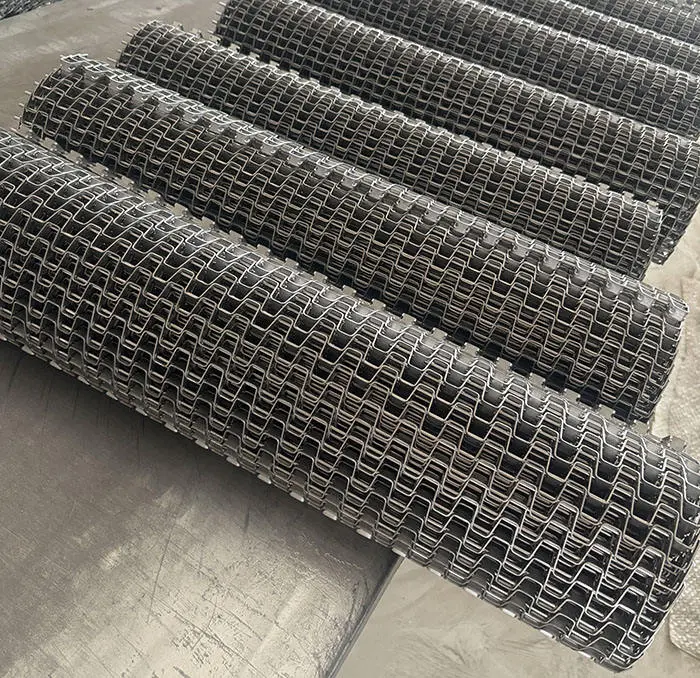
Stainless Steel Metal Flat Wire Belting
Stainess Steel Metal Flat Wire Belting

Understanding the Versatility of Flat Wire Mesh

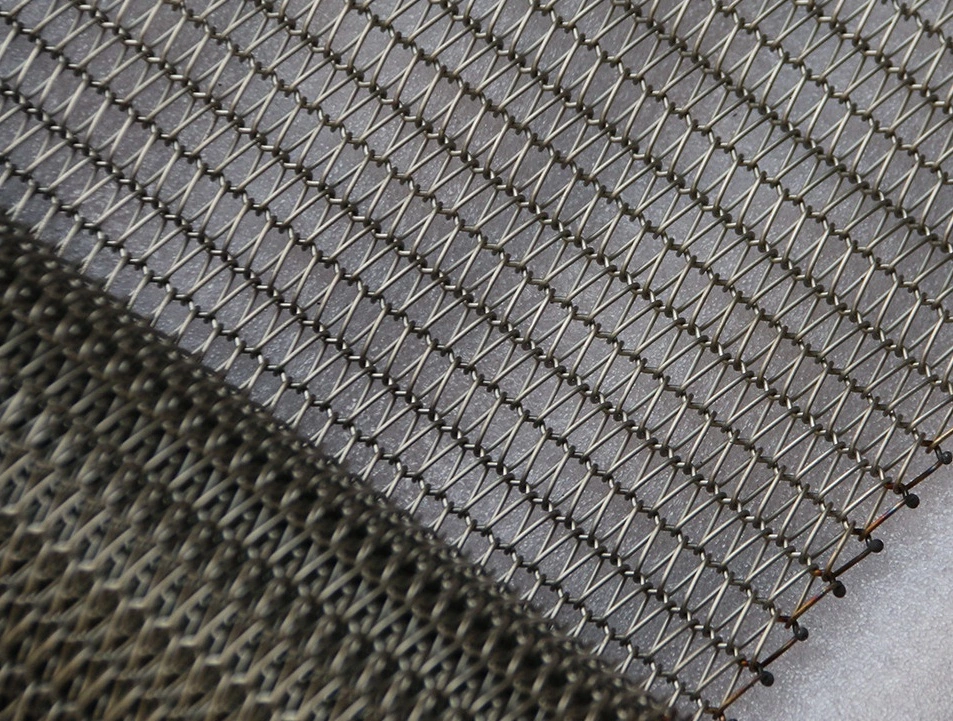
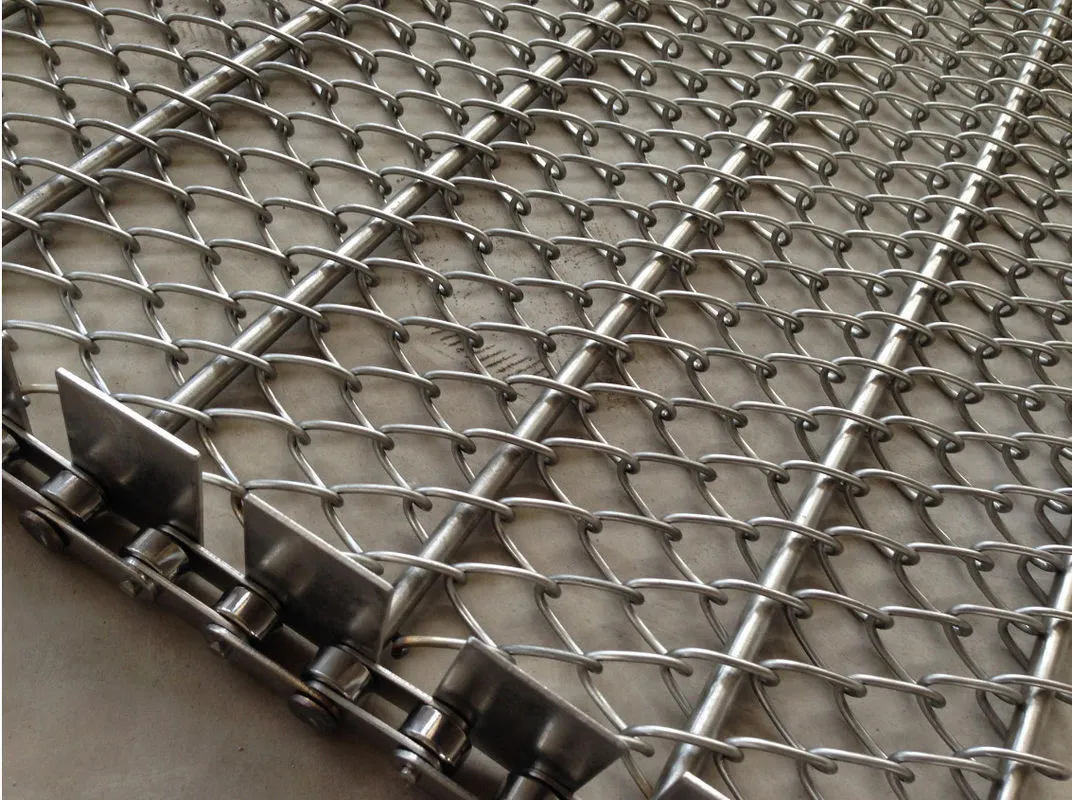
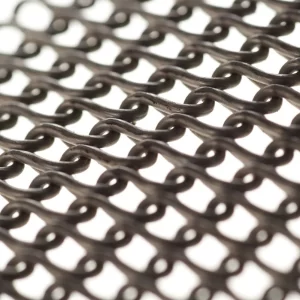
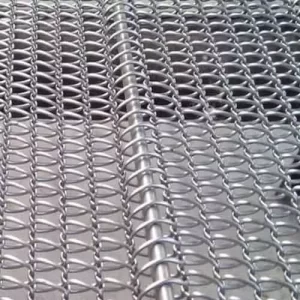
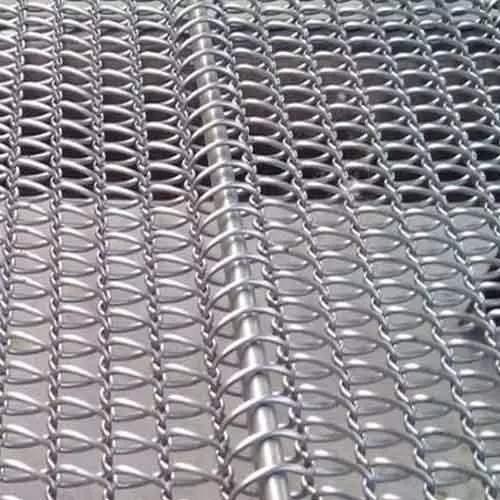
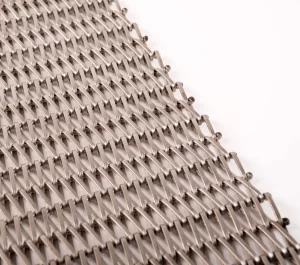
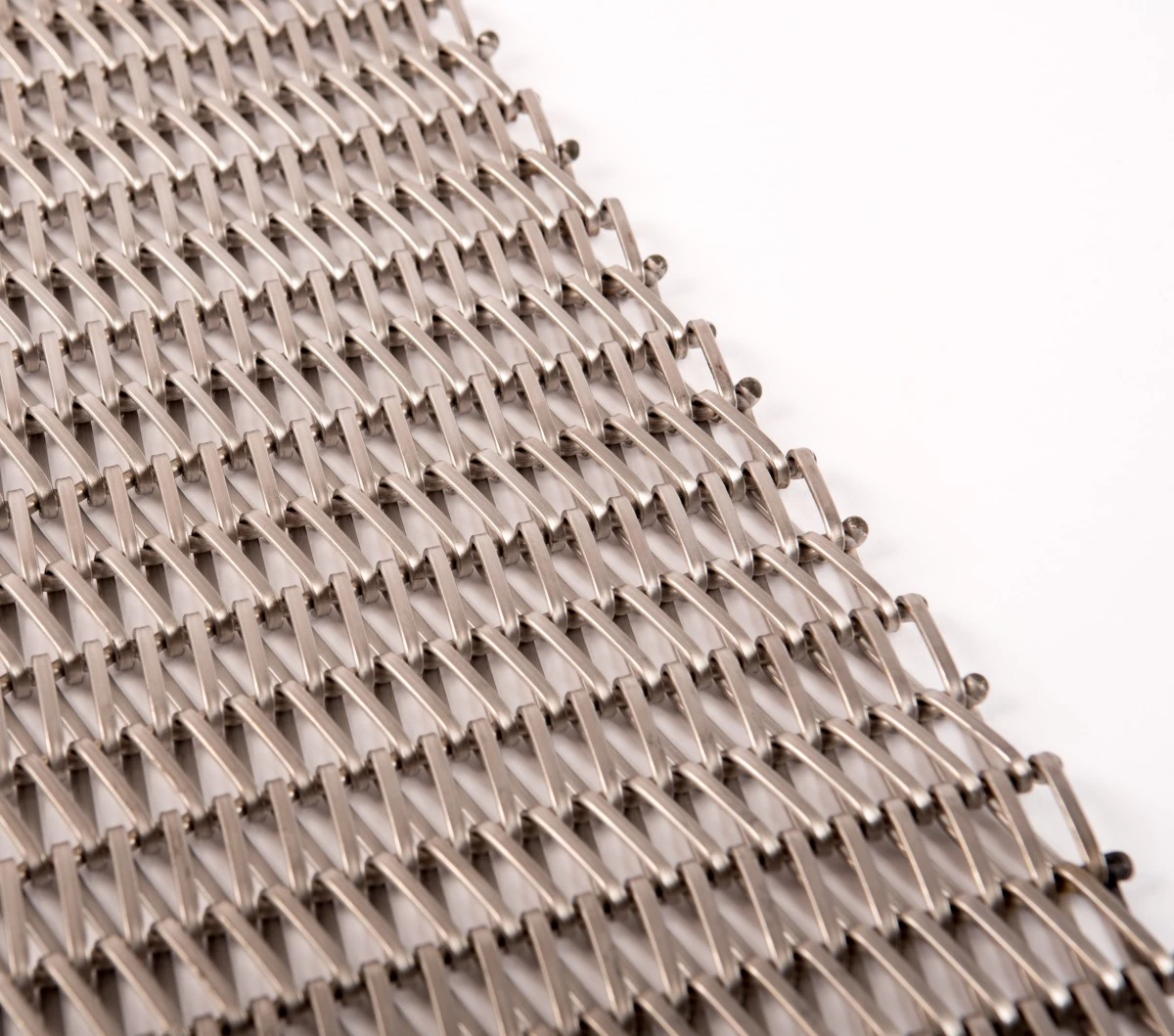
Flat wire belting, often referred to as honeycomb conveyor belts, is constructed from cold-rolled flat wire strips connected by straight round rods. This unique design provides a flat, stable surface that minimizes product tipping while maintaining a high strength-to-weight ratio.

Why Choose Flat Wire Over Other Conveyor Belts?

  • Large Open Area: Excellent for drainage, air circulation, and easy cleaning.

  • High Load Capacity: Designed to handle heavy industrial loads without stretching.

  • Easy Maintenance: Damaged sections can be replaced individually, reducing downtime.

  • Positive Drive: Typically driven by sprockets, ensuring perfect tracking and synchronization.

Custom Configurations for Your Application

Not every facility has the same requirements. Depending on your specific environment—be it high-heat furnaces or corrosive food processing plants—the material and edge finish of your industrial wire belt matter.

Standard vs. Heavy-Duty Specifications

We offer flat wire belting in various grades to suit your needs:

  1. Standard Duty: Ideal for canning, packaging, and light parts handling.

  2. Heavy Duty: Features thicker wire and rods for demanding automotive or mining applications.

Selecting the Right Material Grade

Choosing the correct alloy ensures longevity. Common options include:

  • Galvanized Low Carbon Steel: Cost-effective for dry, non-corrosive environments.

  • 304 & 316 Stainless Steel: The industry standard for food-grade safety and chemical resistance.

  • High-Carbon Steel: Preferred for high-impact or abrasive material handling.

Key Industries Utilizing Honeycomb Belting

From the initial harvest to the final packaging, flat wire conveyor belts play a pivotal role in diverse sectors:

  • Food Processing: Perfect for breading, frying, and cooling lines where hygiene is paramount.

  • Manufacturing: Used in parts washing and drying tunnels.

  • Agriculture: High-flow drainage makes it ideal for vegetable washing and sorting.

  • Heat Treating: Stainless steel variants withstand extreme temperatures in annealing ovens.

Engineering Excellence: Clinched vs. Welded Edges

The edge finish determines how the belt interacts with your conveyor frame. Clinched edges are most common, providing a smooth finish that prevents snagging. Welded edges are used for heavy-duty applications to ensure the rods remain secure under intense lateral stress.

Optimize Your Production Line Today

Investing in high-quality flat wire belting means fewer breakdowns and higher throughput. When you select a belt tailored to your pitch and lateral spacing requirements, you extend the life of your entire conveyor system.

Frequently Asked Questions About Flat Wire Belting

The primary difference lies in the wire gauge and rod diameter. Standard duty is designed for lighter loads like packaging and breading, while heavy-duty versions use thicker flat strips and larger cross-rods to handle high-impact loads in industries like automotive parts manufacturing or heat treatment.

Stainless steel (specifically 304 or 316 grade) is non-porous and resistant to corrosion from water and cleaning chemicals. The open "honeycomb" design allows for clean-in-place (CIP) capability, meaning the belt can be sanitized thoroughly without being removed from the conveyor system, ensuring FDA compliance.

• Clinched Edges: Best for preventing the belt from snagging on conveyor protrusions. They offer a smoother finish and are standard for most food and packaging applications. • Welded Edges: Recommended for high-tension or heavy-duty environments. The weld provides extra security to ensure the cross-rods do not migrate or pull out under extreme stress.

Yes. Because they are made of metal, they are ideal for high-heat environments. Depending on the alloy, they can typically operate in temperatures ranging from -30°C to +400°C (-22°F to 750°F). Special high-temperature alloys can extend this range even further for annealing or industrial baking.

Tracking issues are usually caused by uneven tension, misaligned sprockets, or debris buildup in the drive mechanism. Flat wire belts are positively driven by sprockets, so ensuring that the sprocket teeth are properly engaged with the belt openings is the first step in troubleshooting slippage.

Flat wire belts offer one of the highest open-area percentages in the industry, often ranging from 40% to 81%. This makes them the top choice for processes requiring maximum airflow (cooling/drying) or rapid liquid drainage (washing/frying).