✅ Frequently Asked Questions – Honeycomb Conveyor Belts for Industry | Everything Buyers Need to Know.
Clients from food processing units, bakeries, cooling and drying plants, chemical industries, recycling units, and packaging manufacturers often reach out with common queries about Honeycomb Conveyor Belts. Their questions usually revolve around the belt’s durability, applications, maintenance, customization options, and cost-effectiveness. To make it easier, we’ve gathered the most frequently asked questions (FAQs) from our buyers and industry professionals, so you can quickly find the answers you need before choosing the right conveyor belt for your operations.
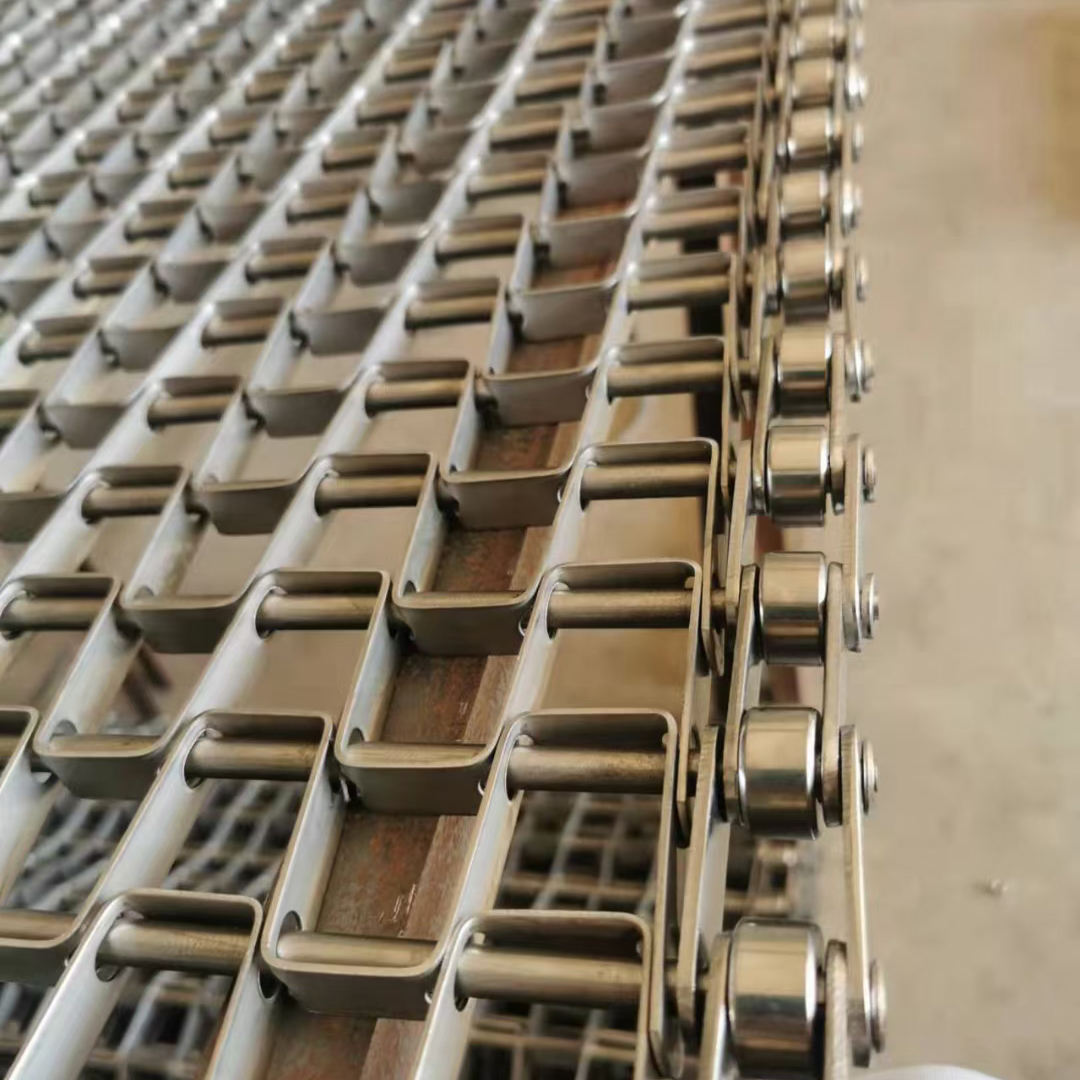
A Honeycomb Conveyor Belt, also known as Flat Wire Belting, is a straight-running mesh belt made of flat formed wire strips connected by cross rods—creating a pattern that resembles a honeycomb grid. This design gives the belt exceptional strength-to-weight ratio while maintaining a flat carrying surface, which is why it's trusted across various industries.
They're used everywhere you might imagine—baking, cooling, washing, drying, canning, painting, recycling, and more. Thanks to its open mesh construction, the belt allows for excellent airflow, drainage, and temperature resilience—making it ideal for food processing lines, cooling tunnels, or drying ovens.
Durable yet lightweight: Reduces energy consumption in conveyor systems.
Fast drainage and air circulation: Perfect for processes needing quick drying or cooling.
Flat and easy-to-clean surface: Low maintenance in hygiene-critical industries like food.
Positive sprocket drive: Ensures smooth tracking and operational reliability.
These belts come in a variety of materials including 304 and 316 stainless steel, mild steel, and galvanized steel.
You can choose from standard sizes, available in both European (ES001, ES003…) and Imperial (IS101A, IS102C…) specifications. For unique needs, custom-built dimensions and edge types (like welded or clinched edges) are also available.
Yes! One standout example comes from a washing tunnel at Brabantia (the bin manufacturer). They were struggling with frequent belt wear, noise, misalignment, and downtime. Switching to a honeycomb belt brought dramatic improvements in reliability, cleanliness, and lifespan—and the customer praised the quick, smooth execution of the upgrade.